
Treat infection inside a tooth
Root canal treatment
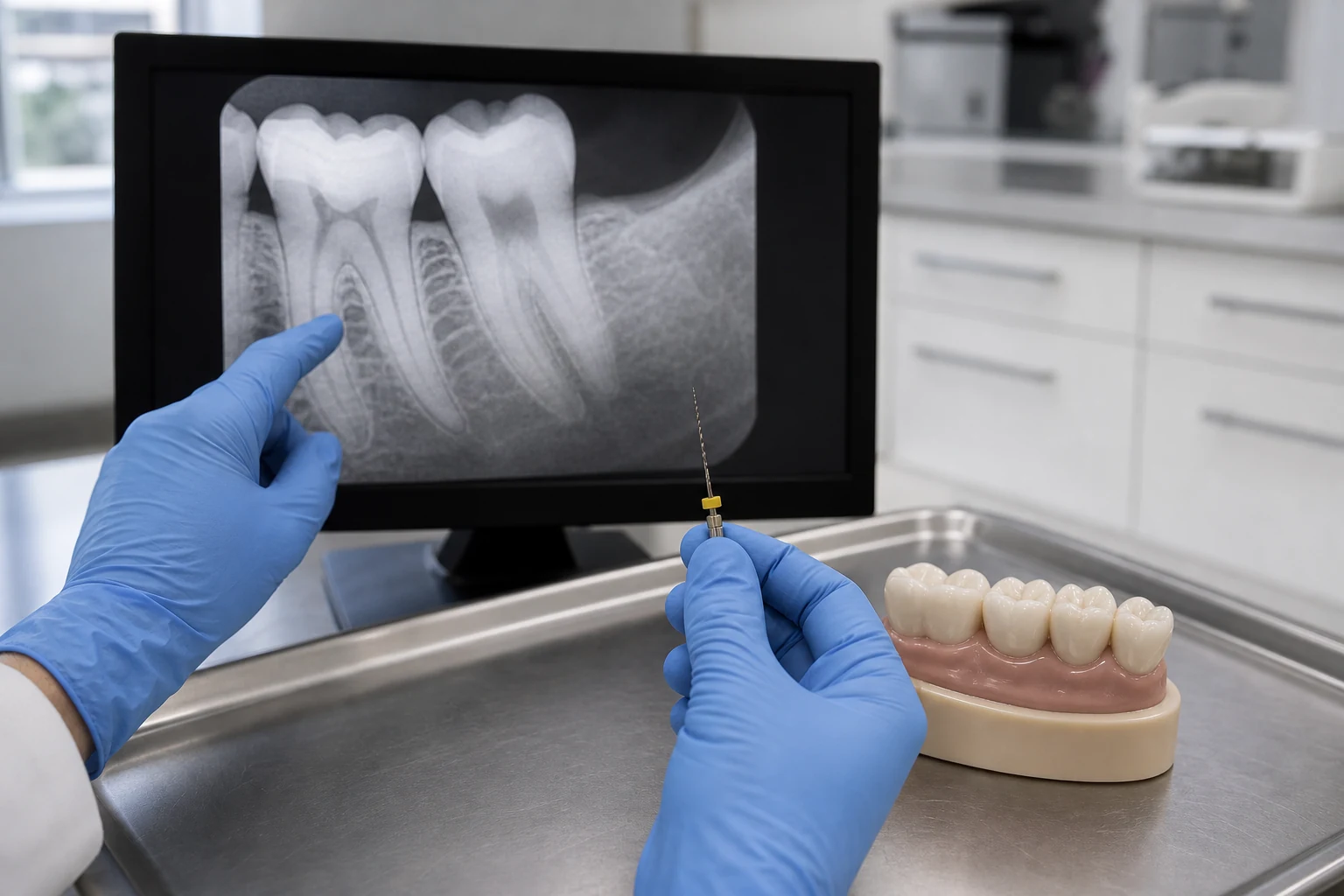
Root canal treatment removes infected or inflamed tissue from inside a tooth, then cleans, shapes and seals the space.
General information only. A dentist needs to examine you before advising whether a treatment is suitable.
In plain language
What it is
The centre of a tooth contains soft tissue called the pulp. When it becomes badly inflamed or infected, root canal treatment may allow the tooth to be retained.
Read a little more
Treatment does not guarantee that a tooth will be symptom-free or last indefinitely. Extraction is an alternative when retaining the tooth is not suitable or preferred.
A general outline
What usually happens
This is a typical sequence, not a promise of how 4GSS will plan a particular case.
Diagnose
Symptoms, examination and usually X-rays are used to assess the tooth and surrounding bone.
Clean and shape
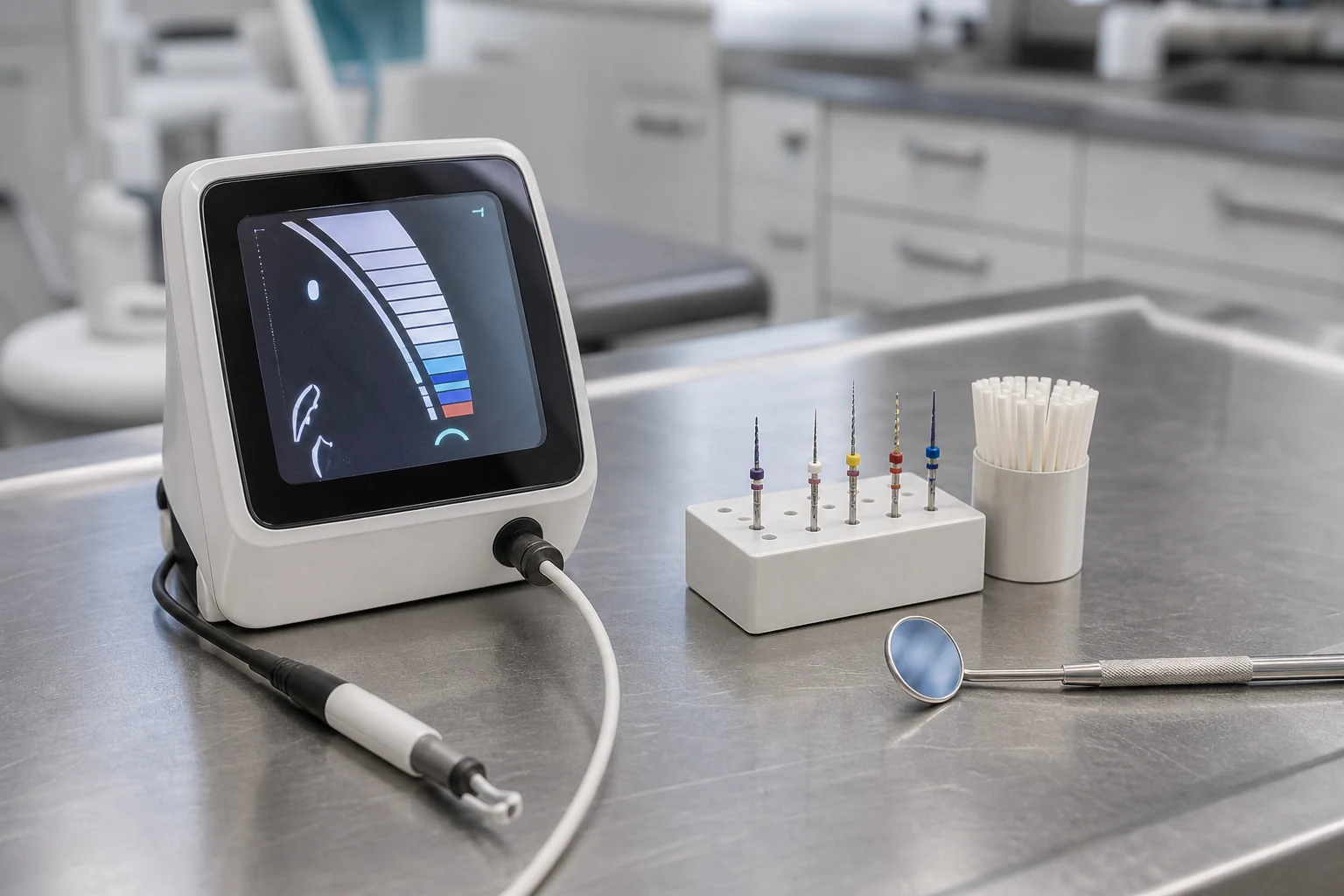
With local anaesthetic, the canals are accessed and cleaned. Treatment may take more than one visit.
Seal and restore
The canals are filled and the tooth is restored. A crown may be advised when the remaining tooth needs more protection.
More detail when you need it
Things to consider before deciding
Open any section that is useful to you. The dentist can talk through these points at an appointment.
Points to discussLimits, alternatives and uncertainties
Points to discuss
- The anatomy can make treatment difficult, and infection can persist or return.
- The tooth can remain vulnerable to fracture and may need a protective restoration.
- Swelling, increasing pain or feeling unwell needs prompt advice from the practice or an urgent dental service.
Questions to askThree useful prompts for your appointment
Questions to ask
- What is the chance of retaining this tooth?
- Would a crown be needed afterwards?
- What are the alternatives if treatment is not successful?
General information sourcesIndependent patient information
General information sources
These links explain treatments in general. They do not confirm which options 4GSS currently offers or what is appropriate for you.
Discuss this treatment with the practice
Request an assessment or call reception. The dentist can explain the findings, suitable options and current fees.