
Repair a tooth
Dental fillings
A filling replaces tooth tissue lost through decay or damage. The aim is to restore the tooth’s shape and function, but no restoration lasts indefinitely.
General information only. A dentist needs to examine you before advising whether a treatment is suitable.
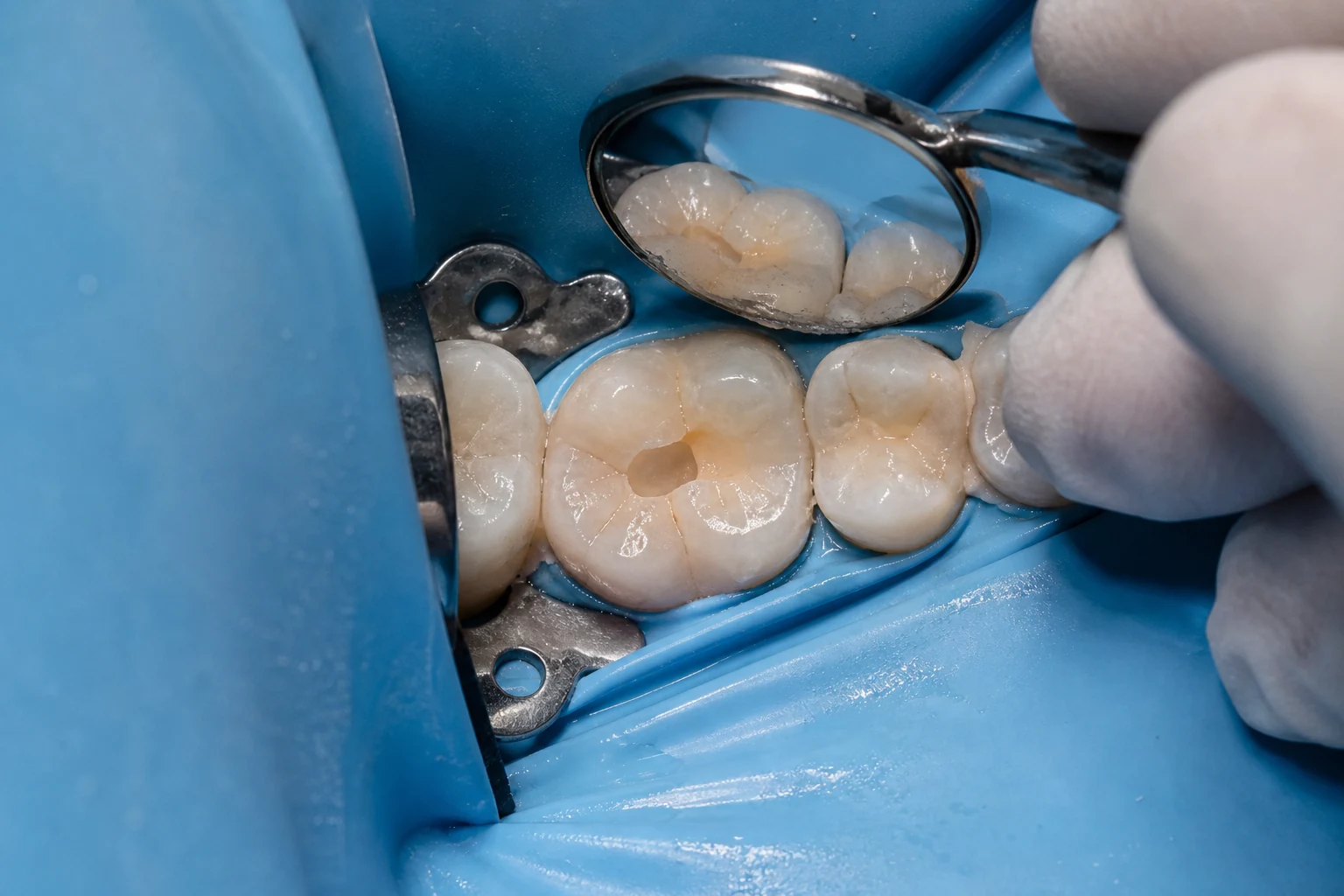
In plain language
What it is
The dentist removes tissue that cannot be kept and places a restorative material into the prepared area. The material and technique depend on the tooth, the size and position of the repair, your bite and the clinical options available.
Read a little more
Some fillings are tooth-coloured. Amalgam is another established material. A dentist can explain which materials are suitable and the trade-offs for the tooth being treated.
A general outline
What usually happens
This is a typical sequence, not a promise of how 4GSS will plan a particular case.
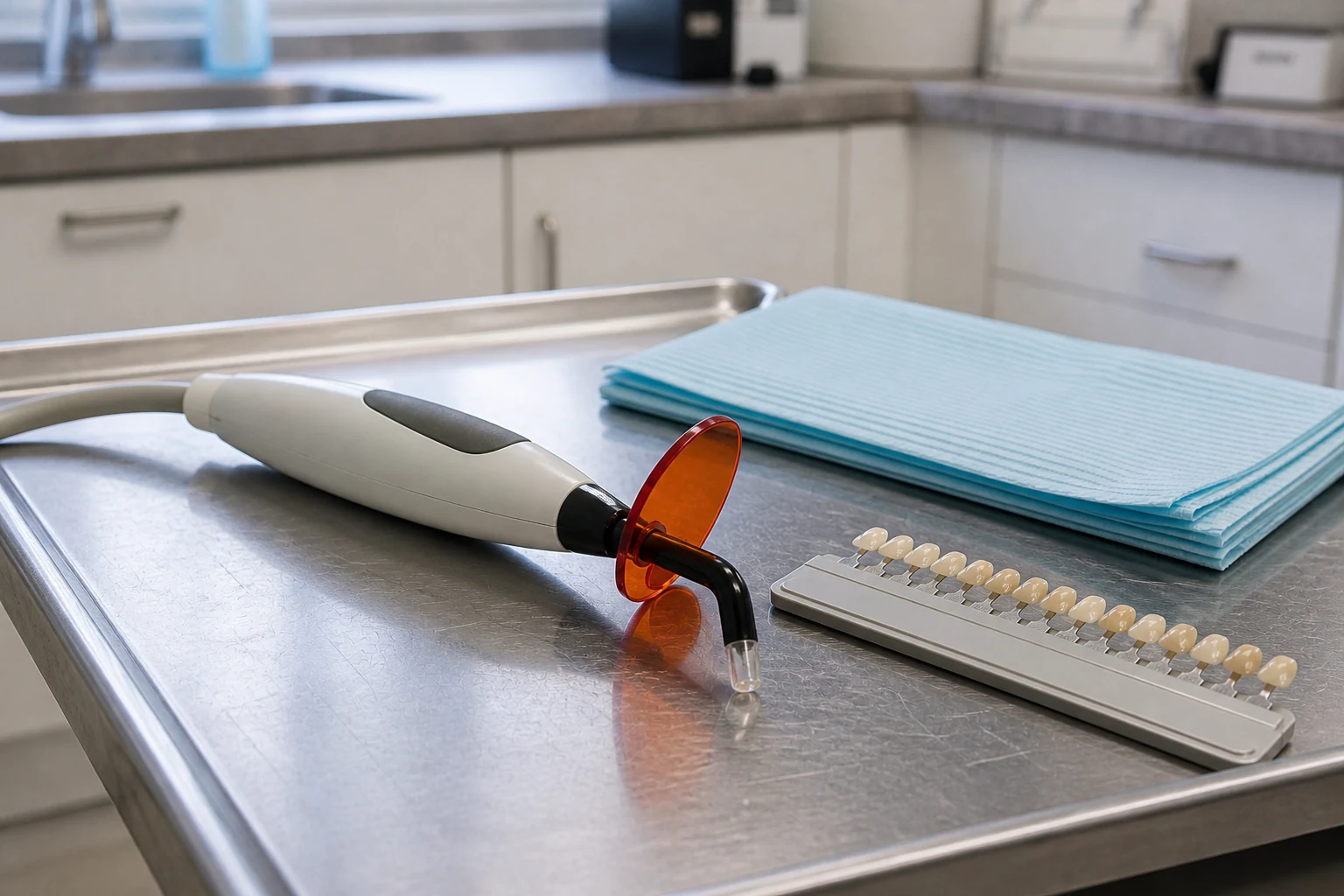
Assess
The dentist examines the tooth and may use an X-ray when it would help define the problem.
Prepare
Local anaesthetic may be used. Decay or damaged material is removed while preserving usable tooth tissue where possible.
Restore
The filling is placed and shaped. The bite is checked, and you are told what to expect afterwards.
See another explanatory view
More detail when you need it
Things to consider before deciding
Open any section that is useful to you. The dentist can talk through these points at an appointment.
Points to discussLimits, alternatives and uncertainties
Points to discuss
- A newly filled tooth can feel different or sensitive for a time. Contact the practice if symptoms are severe, worsening or do not settle.
- A very heavily damaged tooth may need a different restoration or further treatment.
- The appearance, durability, repairability and cost of materials vary. Ask what applies to your tooth.
Questions to askThree useful prompts for your appointment
Questions to ask
- Which materials are suitable for this tooth?
- How much healthy tooth tissue remains?
- What symptoms should prompt me to contact the practice?
General information sourcesIndependent patient information
General information sources
These links explain treatments in general. They do not confirm which options 4GSS currently offers or what is appropriate for you.
Discuss this treatment with the practice
Request an assessment or call reception. The dentist can explain the findings, suitable options and current fees.