Removable tooth replacement
Dentures
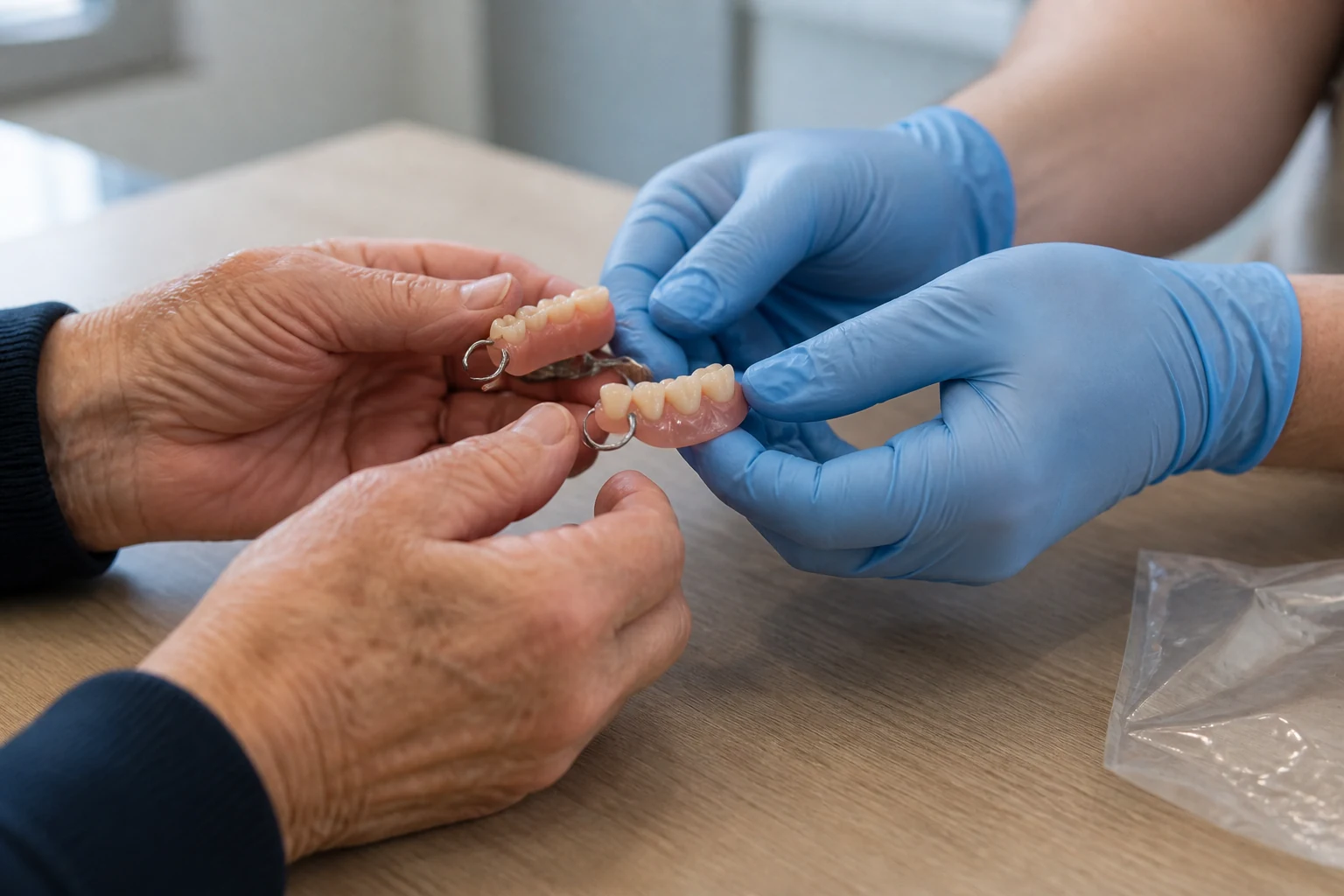
Dentures are removable replacements for missing teeth. A partial denture replaces some teeth; a complete denture replaces all teeth in an arch.
General information only. A dentist needs to examine you before advising whether a treatment is suitable.
In plain language
What it is
Dentures are shaped to the mouth and may use the gums, remaining teeth or implants for support. Design options depend on the teeth and tissues available.
Read a little more
They take time to get used to and may need adjustment as the mouth changes. They do not feel exactly like natural teeth.
A general outline
What usually happens
This is a typical sequence, not a promise of how 4GSS will plan a particular case.
Assess
The dentist examines the mouth, discusses expectations and considers whether other dental work is needed first.
Record and try
Impressions or scans and bite records are taken. A trial stage may be used to check the proposed shape and position.
Fit and adjust
The denture is fitted and instructions are given. Review appointments can address sore areas, stability or bite.
More detail when you need it
Things to consider before deciding
Open any section that is useful to you. The dentist can talk through these points at an appointment.
Points to discussLimits, alternatives and uncertainties
Points to discuss
- New dentures can initially affect speech, eating and comfort.
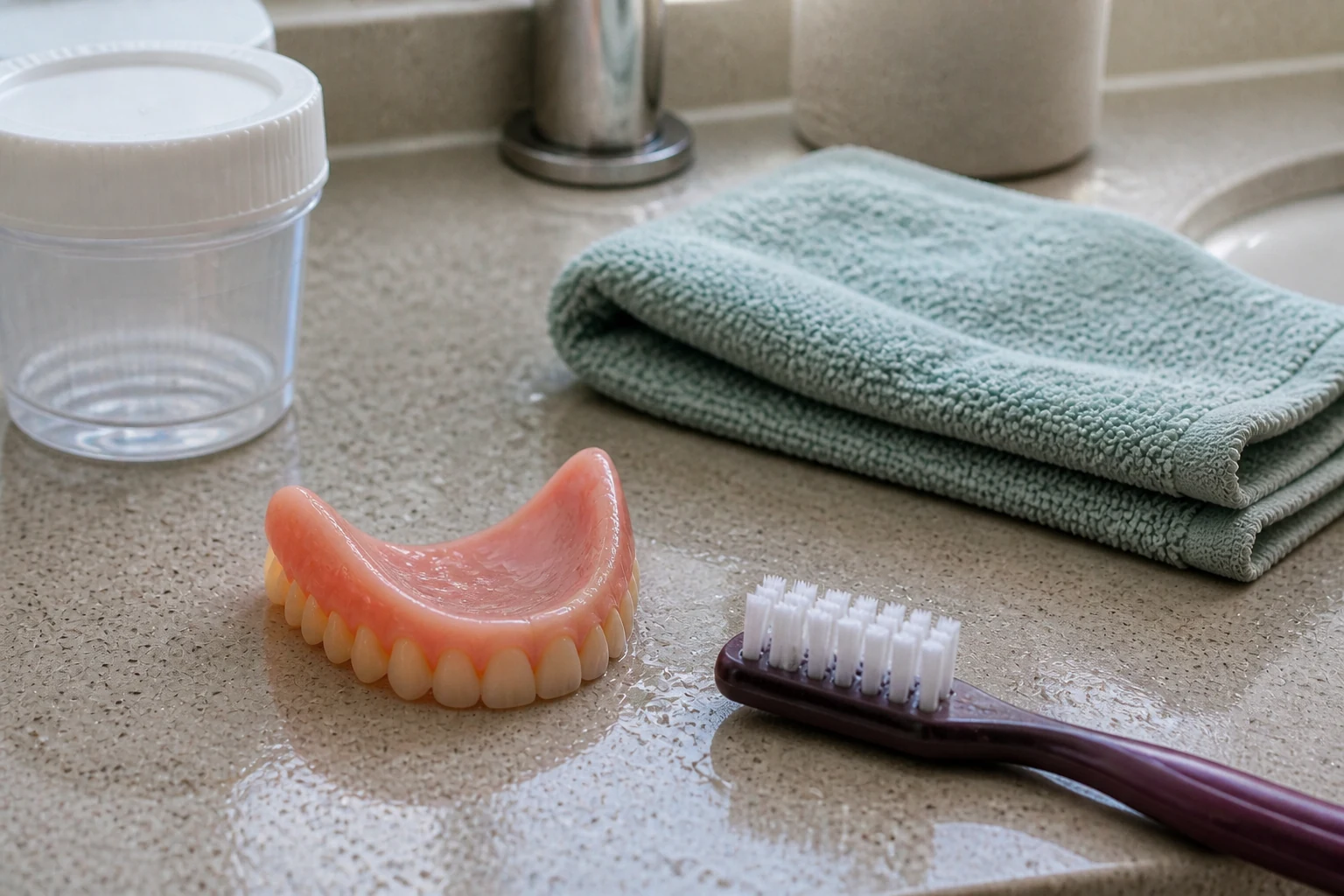
- Dentures and the mouth must both be cleaned. They should not be adjusted at home.
- Fit can change over time as gums and bone change, so review, relining or replacement may be needed.
Questions to askThree useful prompts for your appointment
Questions to ask
- Which denture design is suitable for me?
- What should I expect while adapting?
- How do I clean it, and when should it be reviewed?
General information sourcesIndependent patient information
General information sources
These links explain treatments in general. They do not confirm which options 4GSS currently offers or what is appropriate for you.
Discuss this treatment with the practice
Request an assessment or call reception. The dentist can explain the findings, suitable options and current fees.