
Routine care
Dental examinations
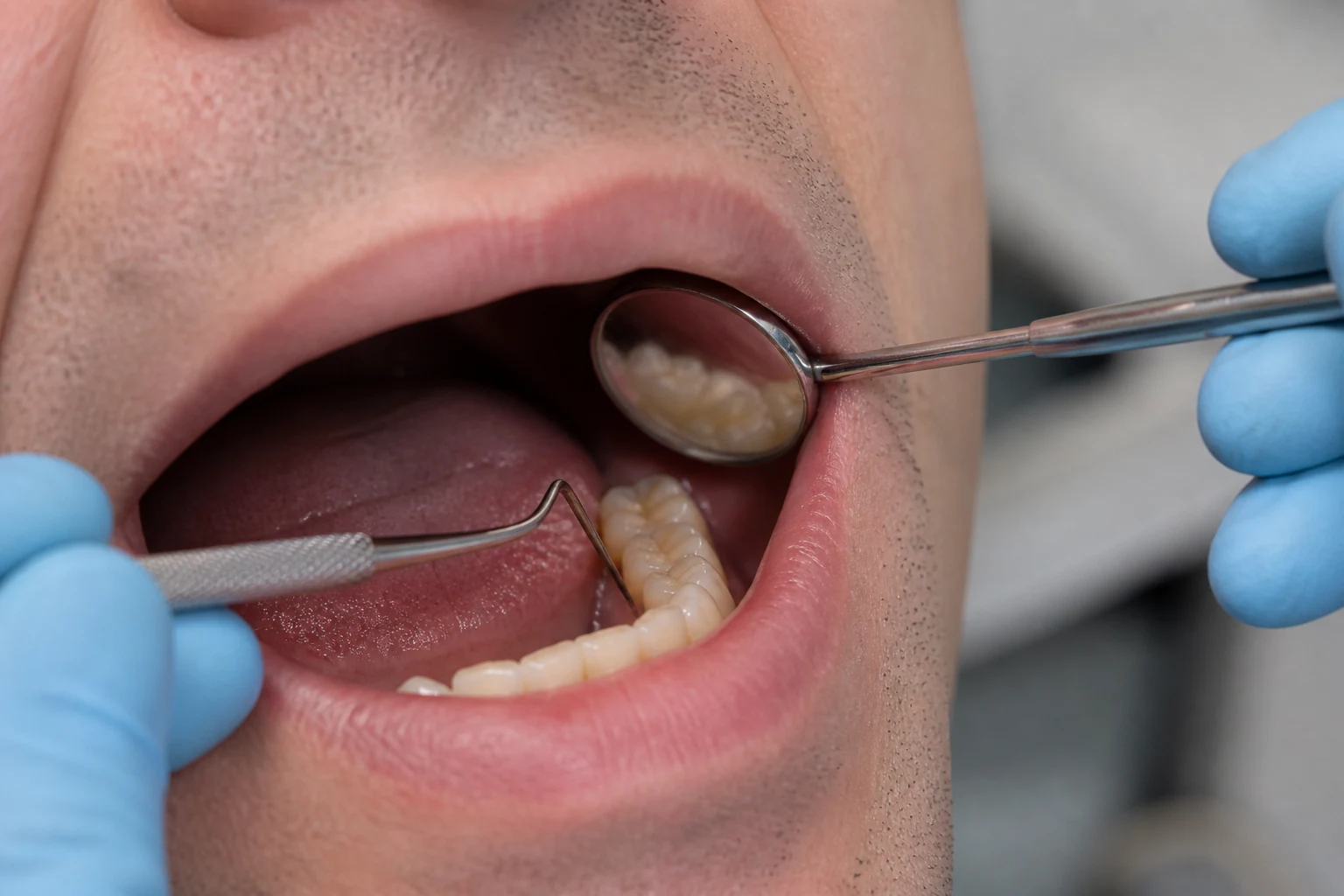
A dental examination is a check of your teeth, gums and mouth. It is also a chance to raise pain, sensitivity or changes you have noticed.
General information only. A dentist needs to examine you before advising whether a treatment is suitable.
In plain language
What it is
The dentist looks for signs of tooth decay, gum problems and other changes in the mouth. The findings guide any advice, monitoring or treatment options discussed with you.
Read a little more
The interval between examinations is not the same for everyone. It depends on your oral health and the dentist’s assessment of future risk.
A general outline
What usually happens
This is a typical sequence, not a promise of how 4GSS will plan a particular case.
Talk
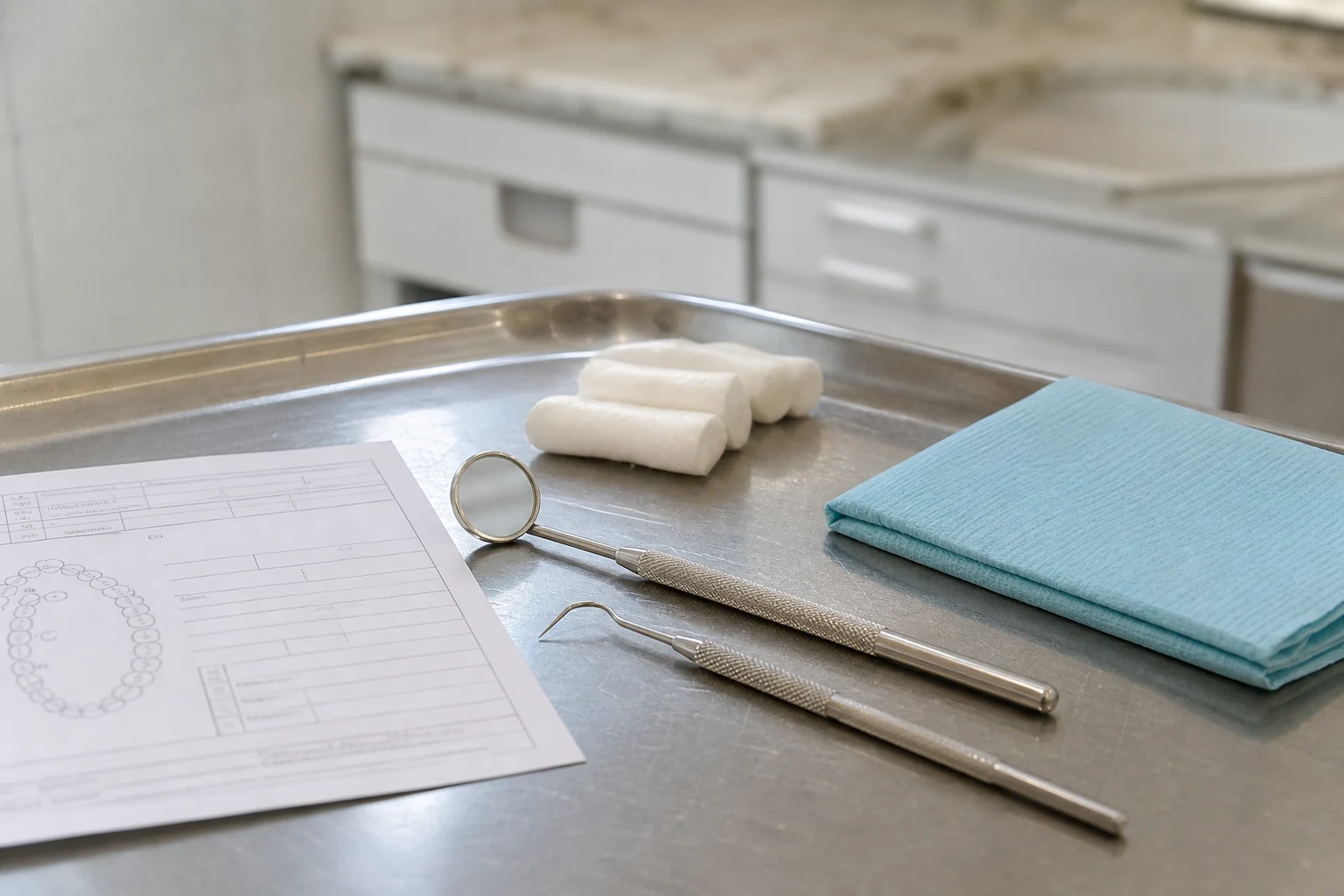
You may be asked about symptoms, changes in your health, medicines and concerns about your teeth or gums.
Examine
The dentist checks your mouth. X-rays may be suggested when they are clinically justified and would add useful information.
Discuss
The dentist explains the findings, any options and when another examination may be appropriate.
More detail when you need it
Things to consider before deciding
Open any section that is useful to you. The dentist can talk through these points at an appointment.
Points to discussLimits, alternatives and uncertainties
Points to discuss
- An examination does not automatically mean treatment is needed.
- Tell the dentist about pain, swelling, bleeding, ulcers or anything that has changed since your last visit.
- Ask why any test or treatment is being recommended and what alternatives are available.
Questions to askThree useful prompts for your appointment
Questions to ask
- What did you find?
- Is anything being monitored rather than treated now?
- When should I return, and why?
General information sourcesIndependent patient information
General information sources
These links explain treatments in general. They do not confirm which options 4GSS currently offers or what is appropriate for you.
Discuss this treatment with the practice
Request an assessment or call reception. The dentist can explain the findings, suitable options and current fees.