
Younger patients
Children’s dentistry
Regular dental visits help children become familiar with the setting, receive preventive advice and have changes checked as their teeth develop.
General information only. A dentist needs to examine you before advising whether a treatment is suitable.
In plain language
What it is
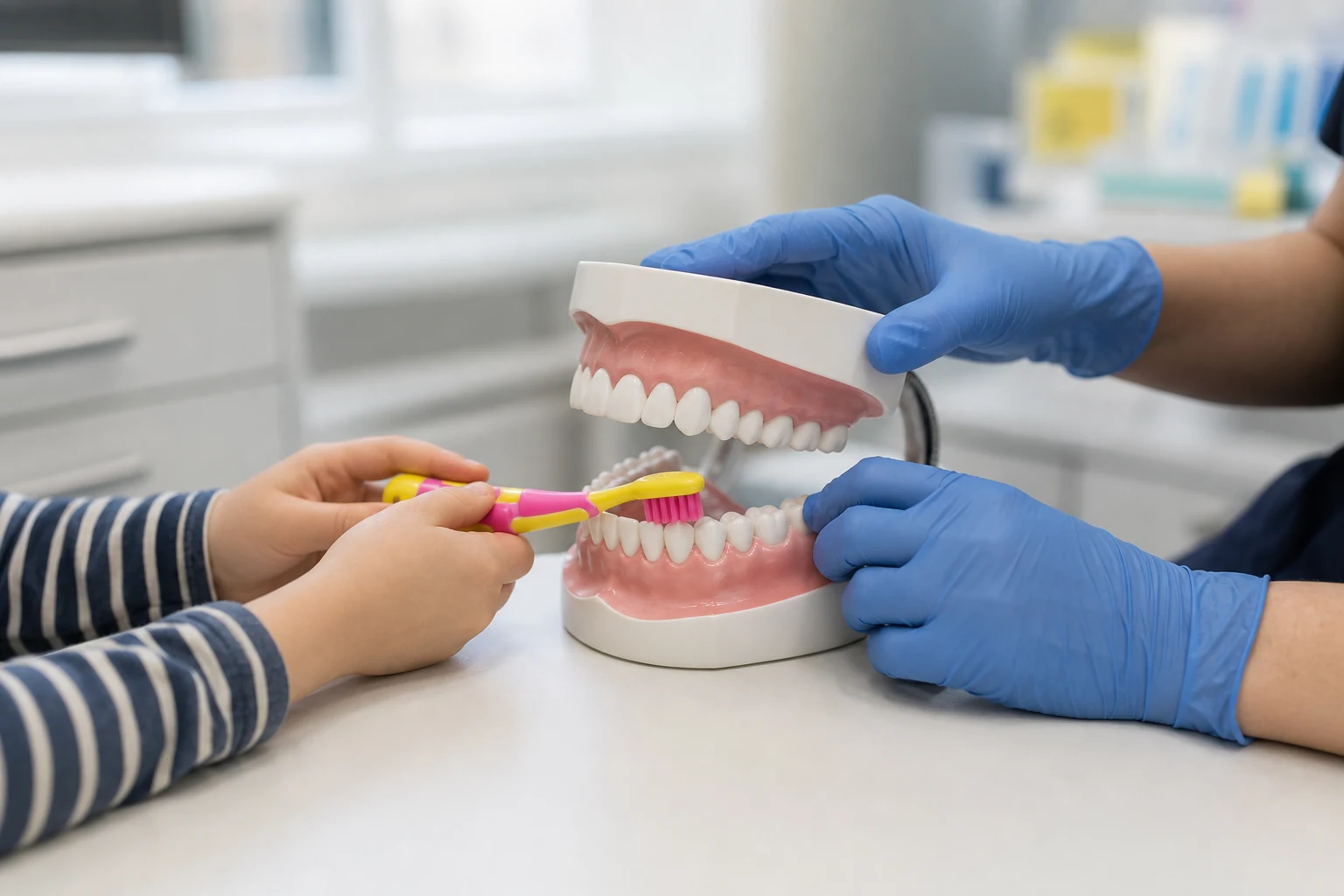
Children’s appointments are adapted to age, development and need. They can cover toothbrushing, diet, fluoride, developing teeth and any pain or concerns.
Read a little more
Fluoride varnish or other preventive measures may be advised when appropriate. Consent and the child’s cooperation remain important.
A general outline
What usually happens
This is a typical sequence, not a promise of how 4GSS will plan a particular case.
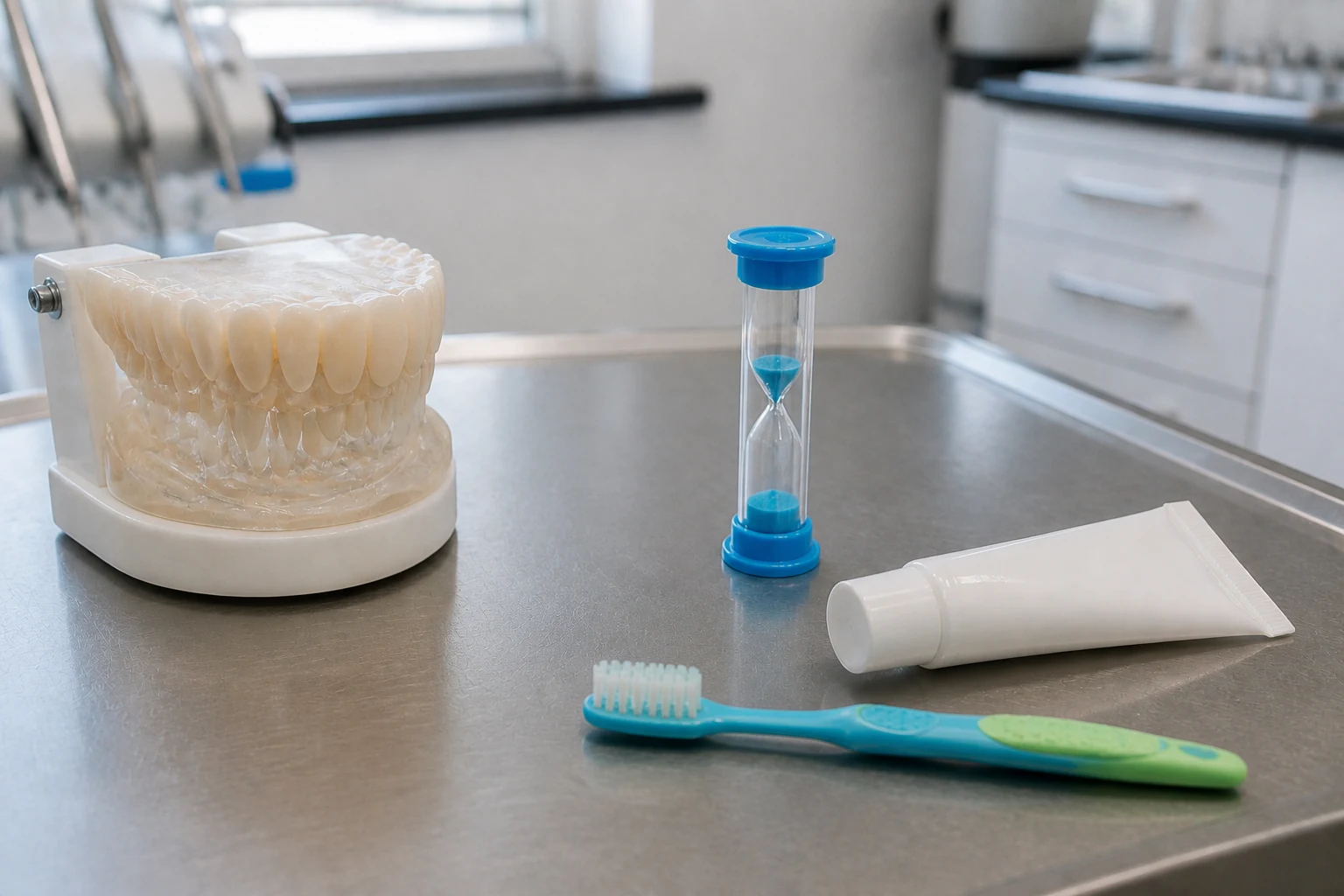
Settle in
The team asks about concerns and gives the child time to understand what is happening.
Check
Teeth, gums and development are assessed as far as the child is comfortable and clinically necessary.
Support
The parent or carer receives practical advice, any preventive plan and information about review.
More detail when you need it
Things to consider before deciding
Open any section that is useful to you. The dentist can talk through these points at an appointment.
Points to discussLimits, alternatives and uncertainties
Points to discuss
- Bring a child promptly if they have pain, swelling or dental trauma rather than waiting for a routine appointment.
- Use age-appropriate fluoride toothpaste and supervise brushing according to current NHS guidance.
- Avoid promising that treatment will never hurt; honest, simple explanations help maintain trust.
Questions to askThree useful prompts for your appointment
Questions to ask
- Is tooth development on track?
- Are we using the right toothpaste and amount?
- What should we do after a dental injury?
General information sourcesIndependent patient information
General information sources
These links explain treatments in general. They do not confirm which options 4GSS currently offers or what is appropriate for you.
Discuss this treatment with the practice
Request an assessment or call reception. The dentist can explain the findings, suitable options and current fees.